
Why DevRel is Needed for Your Company: Building Bridges to Developer Communities
By DevRel As Service • March 24, 2025 • 10 min read
Introduction to DevRel
In today's tech landscape, the link between companies and developers has grown beyond basic vendor-customer interactions. Developer Relations now serves as a key function that connects companies with developer communities, boosts adoption, builds loyalty, and helps business growth.
DevRel is the work of building and keeping good relationships between a company and its developer community. It means creating and supporting a healthy system around a company's products, APIs, or platforms.
Understanding Developer Relations
Developer Relations is not just another marketing task. It's a mindset focused on helping developers succeed with your platform instead of selling to them.
“DevRel professionals connect companies and developers by giving technical guidance, support, and resources.” — Jono Bacon, Community Strategy Expert
Key DevRel Roles
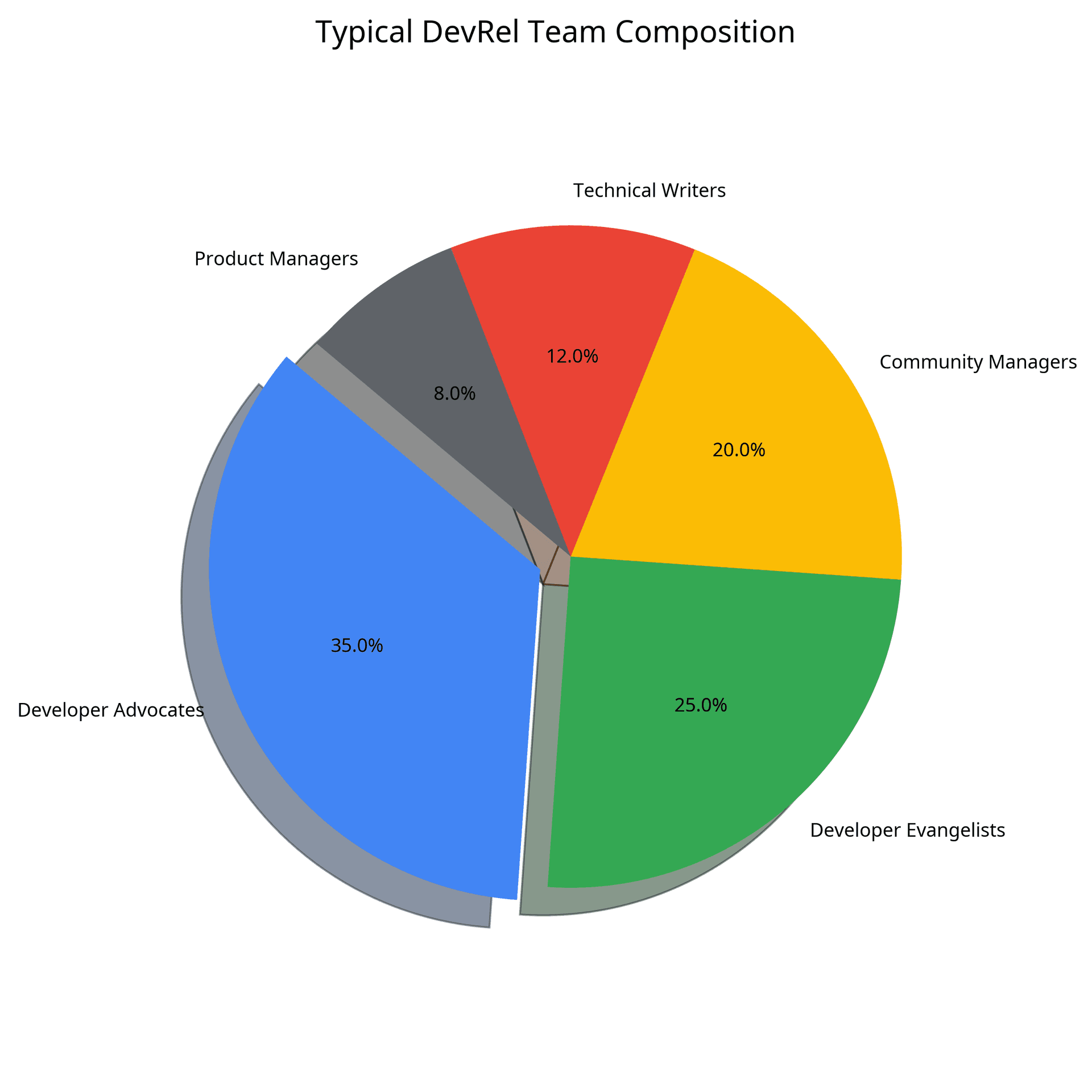
- Developer Advocates act as the technical voice of the company to developers and the voice of developers back to the company.
- Developer Evangelists focus on sharing news about the company's technology, raising awareness and adoption through outreach work.
- Community Managers create and support developer communities, making spaces for teamwork, learning, and mutual help.
- Developer Experience (DX) Specialists make sure that developers have a smooth, simple experience when using the company's tools and platforms.
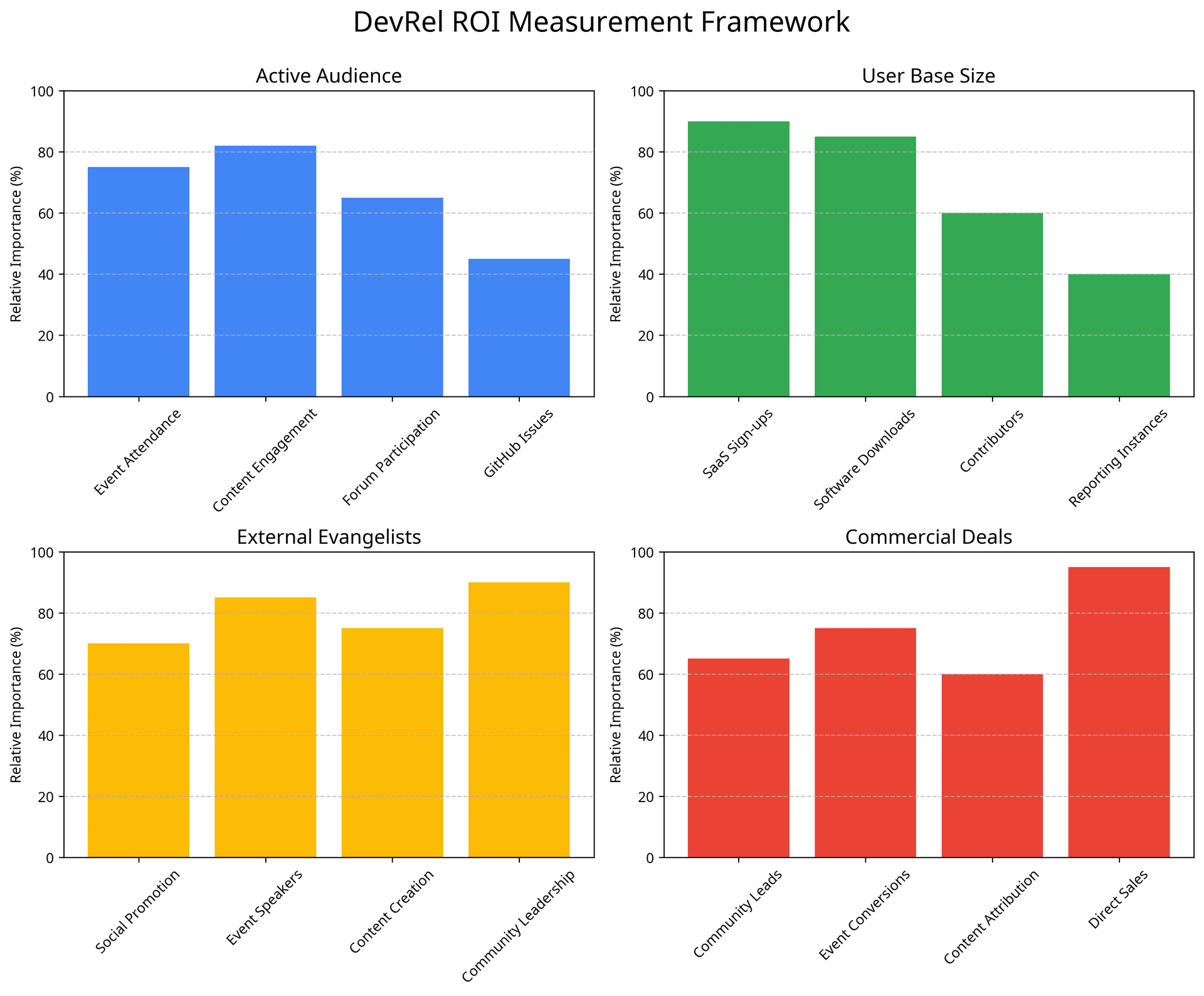
DevRel ROI Framework showing key measurement areas
Measuring DevRel Success: Metrics and ROI
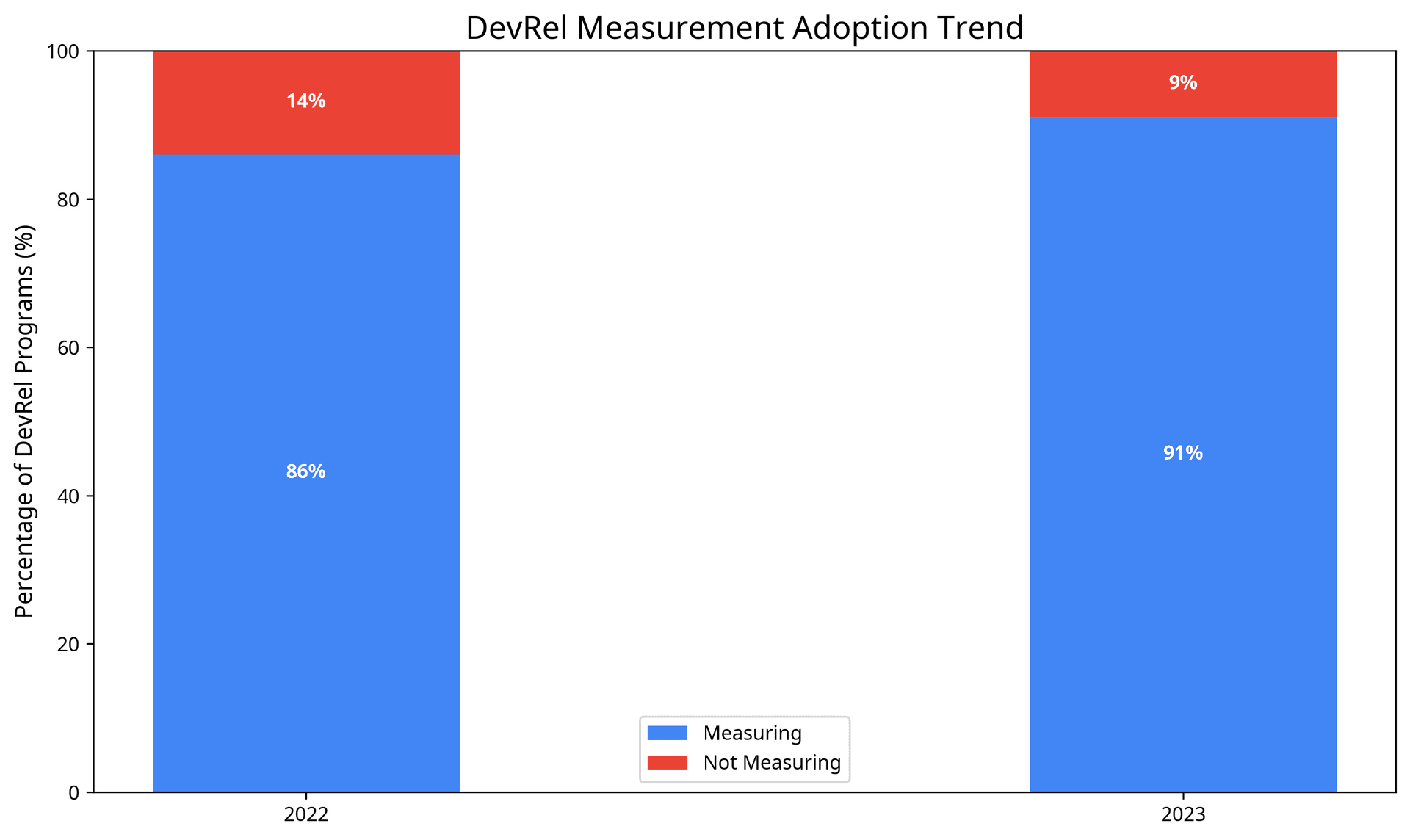
One of the biggest challenges in DevRel is showing its value through clear metrics. While the relationship-building parts of DevRel can be hard to count, several key performance indicators have become trusted ways to measure success.
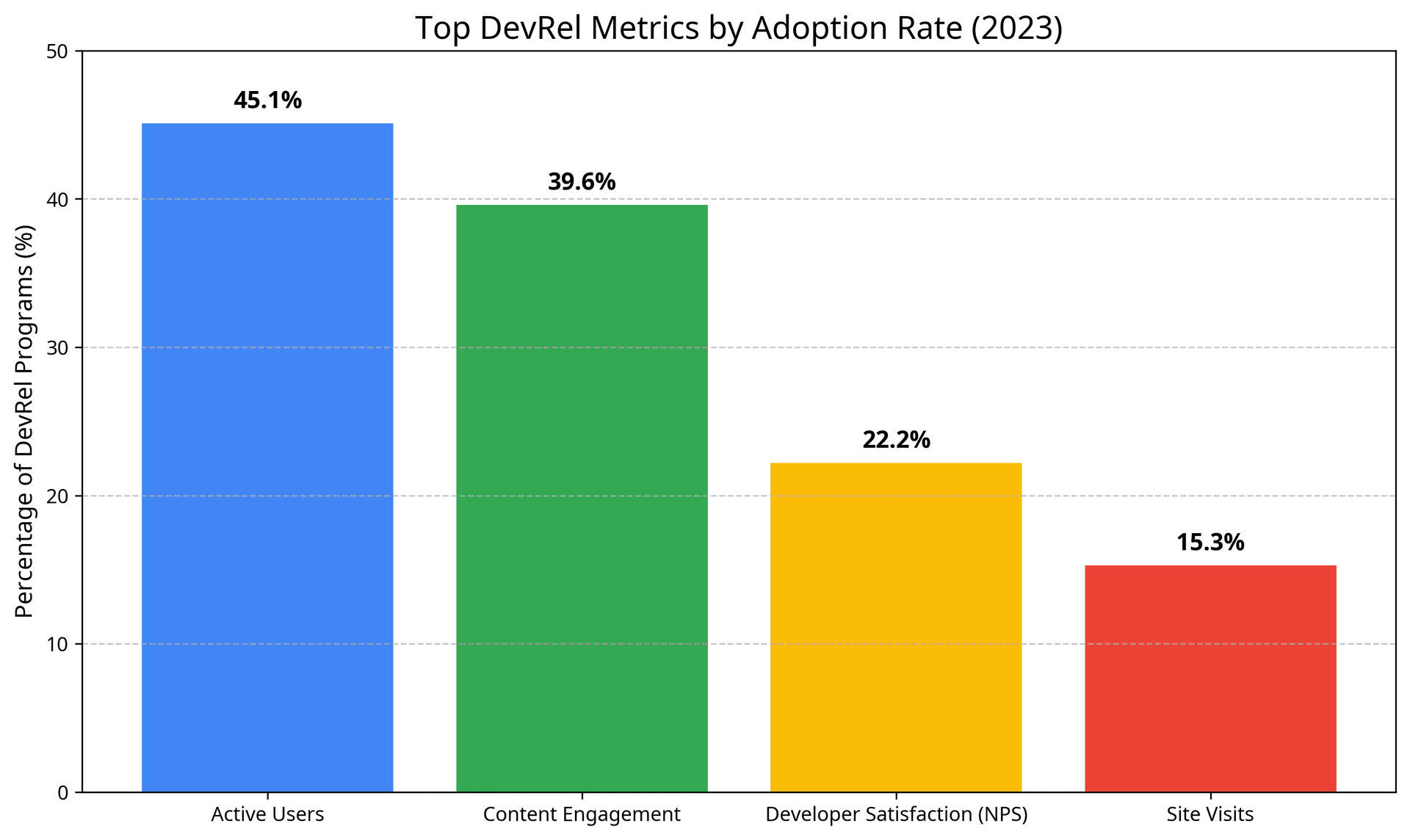
Main Metrics for DevRel Programs
| Metric | Adoption Rate | Description |
|---|---|---|
| Active Users | 45.1% | Tracks ongoing use of your platform |
| Content Engagement | 39.6% | Measures how developers interact with learning materials |
| Developer Satisfaction | 22.2% | Often measured through Net Promoter Score (NPS) |
| Time to Hello, World | 18.7% | Measures initial developer success |
| Site Visits | 15.3% | Provides basic awareness metrics |
Building an Effective DevRel Strategy
Creating a good DevRel program needs careful planning and smart use of resources. The first step is checking your company's specific needs and goals.
- Assessment and Alignment: Check your current developer engagement, find key stakeholders, and match DevRel goals with broader business goals.
- Program Design: Define your target developer types, pick the right engagement channels, and set up metrics frameworks.
- Implementation and Improvement: Start with high-impact activities, collect data on results, and keep refining your approach.
DevRel Challenges and Solutions
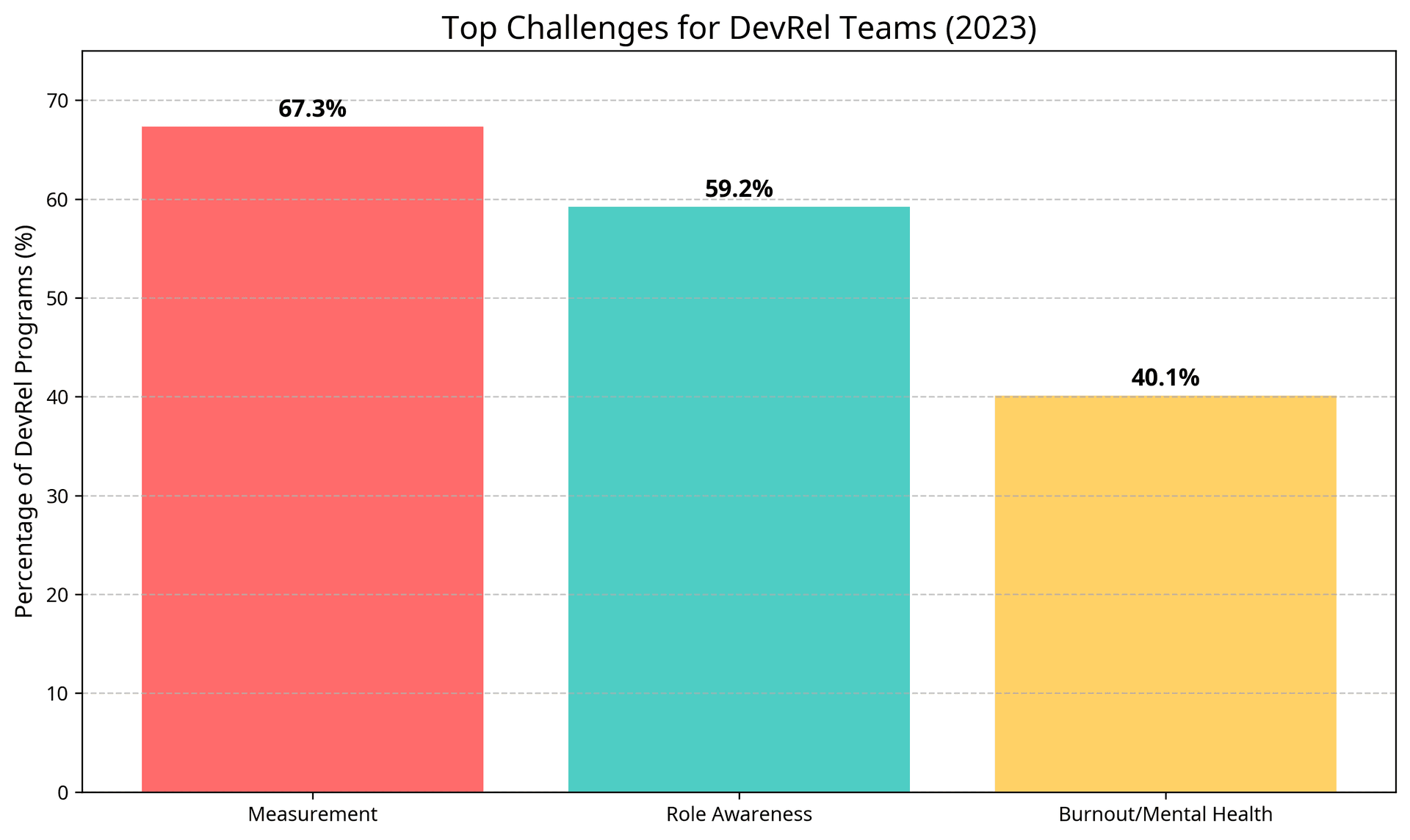
Top DevRel Challenges
- Measurement (67.3%): Hard to count DevRel impact
- Role Awareness (59.2%): Internal clarity of DevRel's purpose
- Burnout (40.1%): Mental health issues from much travel and constant engagement
- Budget (38.7%): Getting enough money for programs
- Team Size (35.6%): Building right-sized teams for goals
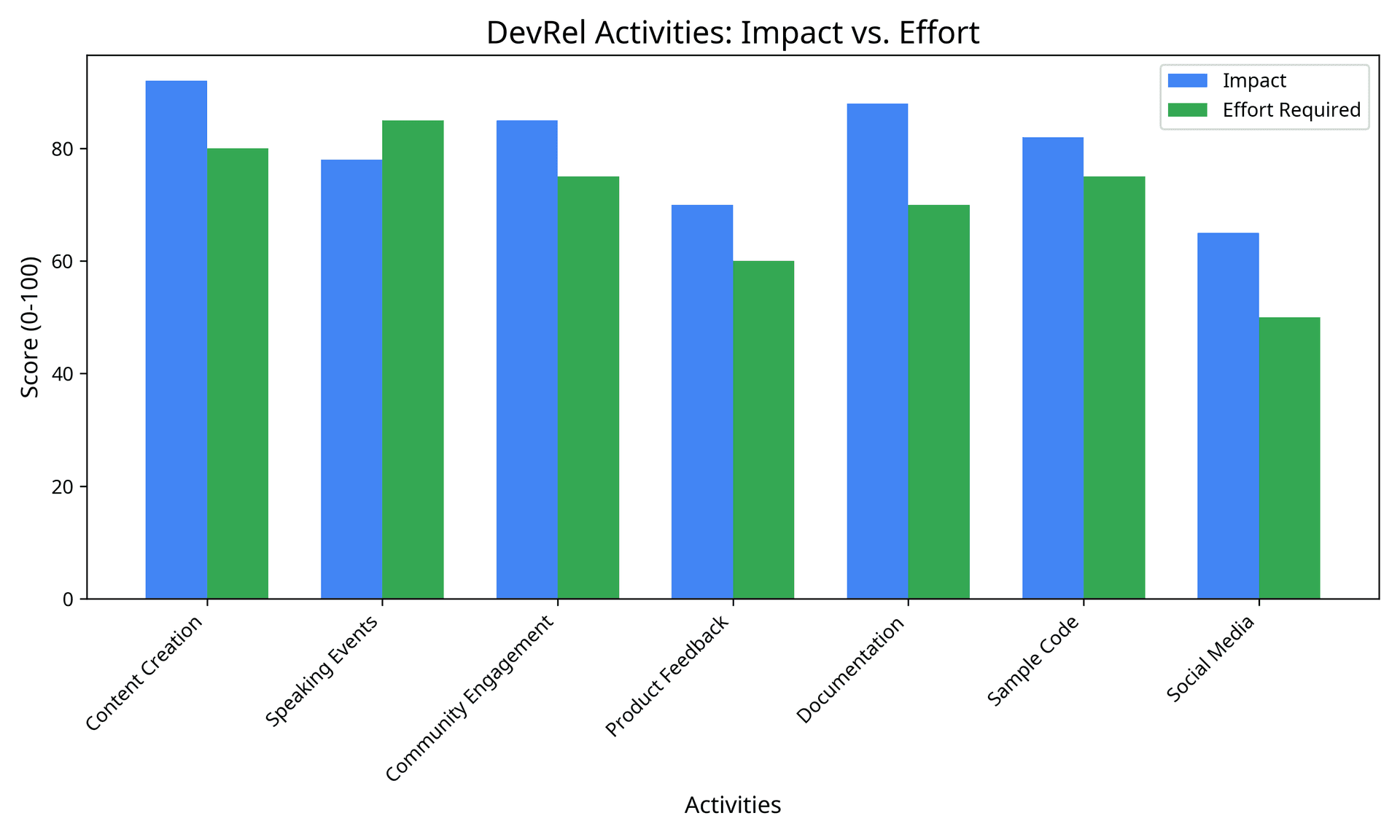
Impact of DevRel Activities
Not all DevRel activities give the same value. Good programs focus on high-impact activities while keeping a balance with the work needed to run them.
Future Trends in DevRel
- Data-Driven DevRel: More use of analytics to improve community engagement
- AI-Assisted Community Management: Using AI tools to grow support and create personal experiences
- Working Closely with Products: Better links with product development teams
- Focused Roles: More specific jobs within DevRel teams for certain tasks
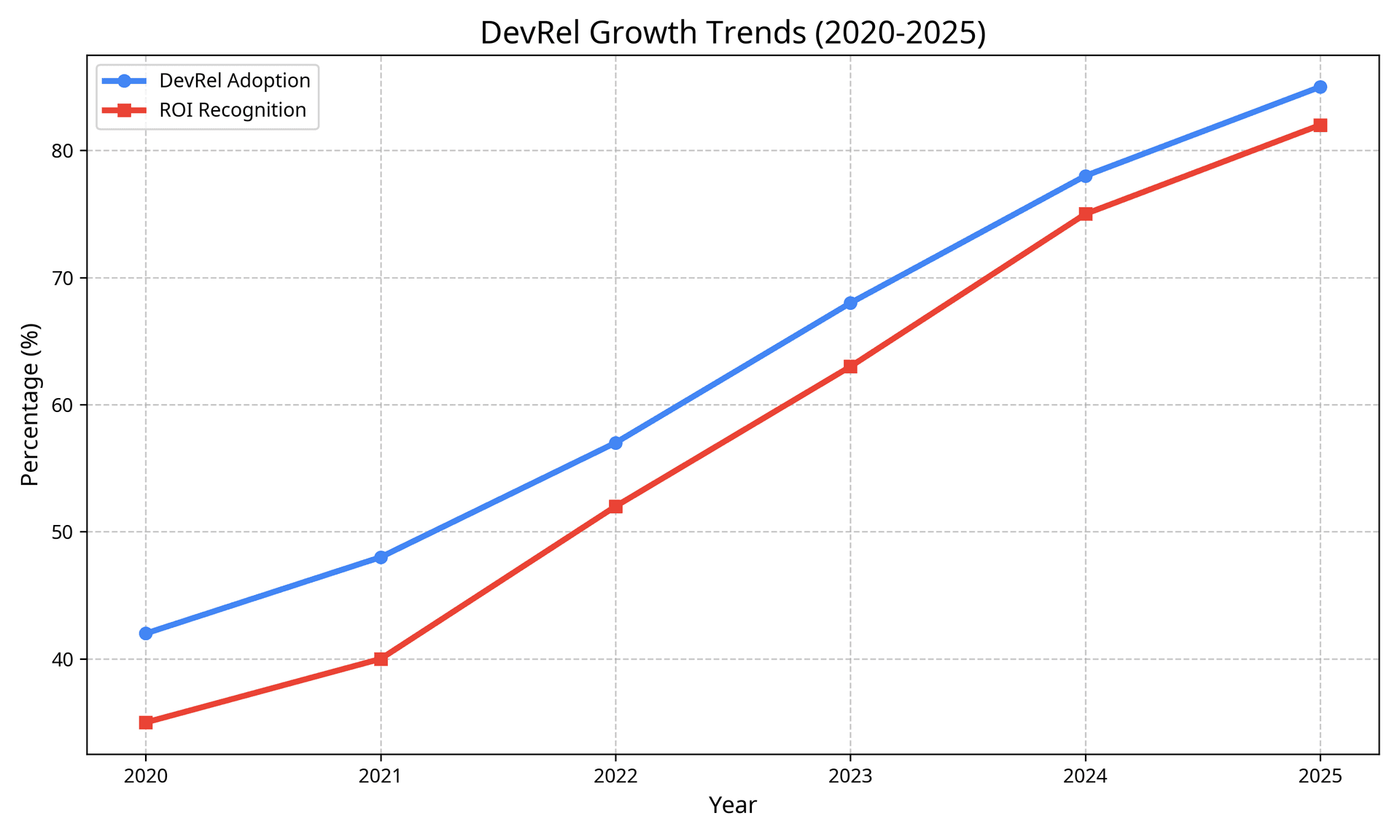
Conclusion
In a growing tech field with many options, Developer Relations has changed from a nice extra feature to a key part of strategy. Companies that put money into building real, value-driven relationships with developer communities gain big benefits in product adoption, market feedback, and brand loyalty.
As the field keeps changing, one thing stays the same: companies that make developer relationships a priority and adjust their plans to meet changing developer needs will stay ahead in the tech industry.